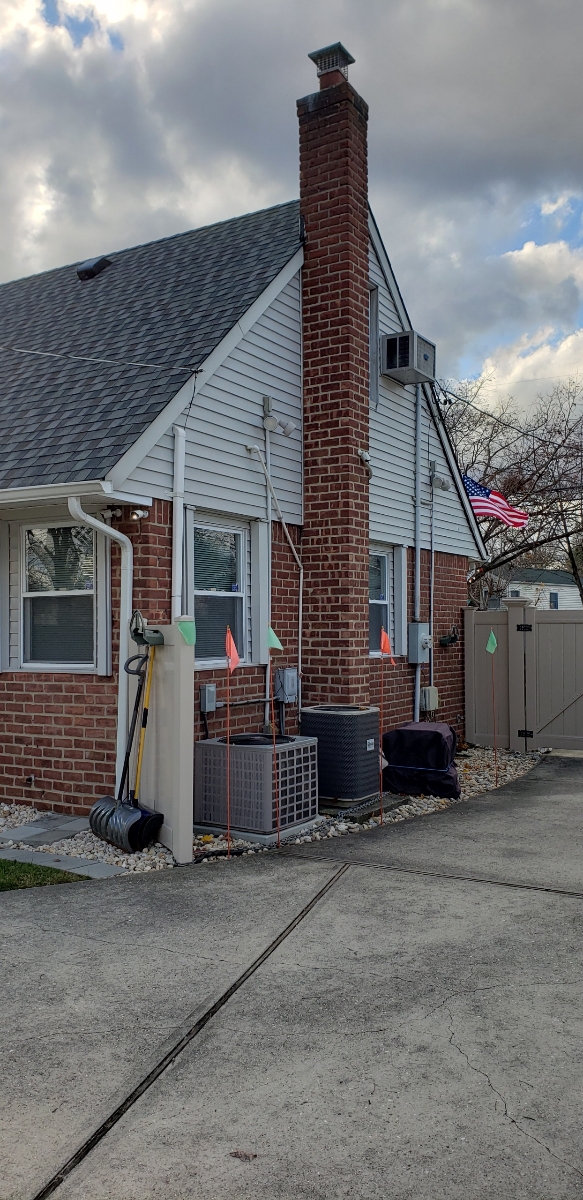
Chimneys on Long Island face a particularly harsh environment. The region's freeze-thaw cycles are relentless, especially from December through March. Water seeps into tiny cracks in mortar during rain and snow. Then it freezes solid overnight, expanding and pushing mortar further apart. This cycle repeats hundreds of times each winter. Over years and decades, the damage becomes severe. Homes in Commack built in the 1960s, 1970s, and 1980s are especially vulnerable. Their chimneys were constructed with materials designed for milder climates. Today's weather patterns stress them harder than ever before.
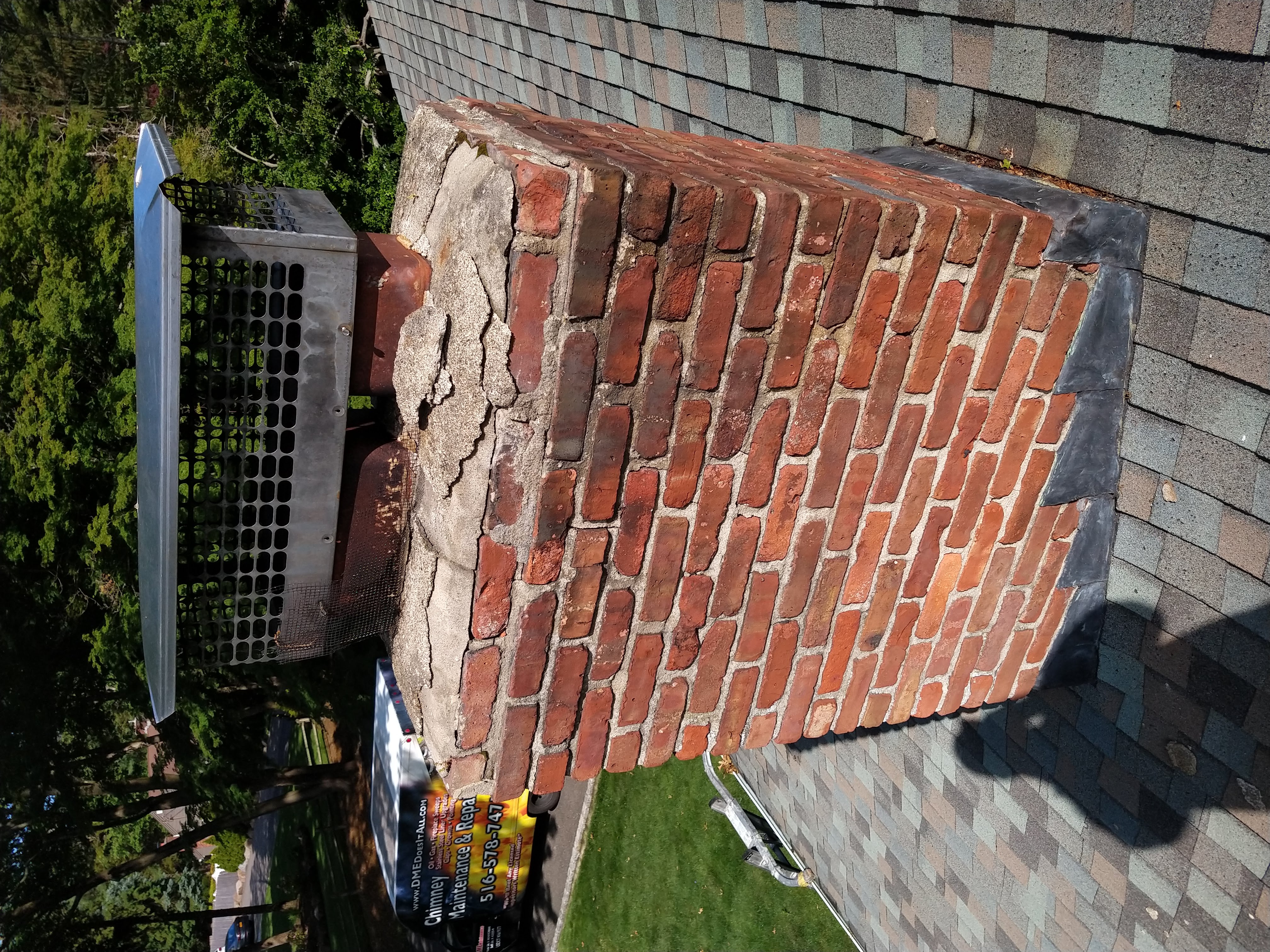
Mortar is not the same as the bricks it holds together. Bricks are hard and dense. Mortar is intentionally softer and more porous. This design allows mortar to absorb moisture and thermal stress so the bricks stay intact. When mortar deteriorates, water no longer drains away properly. Instead, it penetrates deeper into the chimney structure. Water then reaches the flashing, the metal seal where the chimney meets your roof. Once water gets behind the flashing, it enters your home. You'll see stains on interior walls, rot in ceiling joists, and mold in the attic. Prevention through pointing is far simpler than fixing water damage later.
Commack homeowners heating with oil systems rely on their chimneys year-round. Oil furnaces produce acidic condensation that attacks mortar from the inside. This internal degradation happens silently while exterior mortar cracks are still forming. A chimney that looks acceptable from the ground may be failing rapidly inside. Professional inspection with proper tools reveals what's hidden. We can see where mortar has become soft, where joints are opening, and where water is beginning to penetrate. Early detection saves thousands in structural repairs to your home's interior and exterior.
Spring and summer are ideal seasons for chimney pointing work on Long Island. Mortar must cure properly, and that requires warm, dry conditions. New mortar applied in fall or winter won't set correctly. Cold slows hydration, and rain or snow disrupts the curing process. Spring temperatures and low humidity allow mortar to cure strong and durable. Residents of Commack who schedule pointing in April, May, or June will see work completed before the next heating season begins. Your chimney will be sealed and protected before fall rains arrive. This timing ensures maximum longevity for the repair.
The mortar formulation we use matters as much as the timing. Not all mortar is identical. Historic chimneys on Long Island sometimes need softer mortar than newer ones. Harder mortar can actually damage old bricks by trapping moisture. We match mortar composition to your chimney's age and brick type. This prevents future problems and respects the original construction. Commack has diverse housing stock, from modest ranch homes to larger colonials. Each deserves appropriate materials and techniques. Generic repair shops often use one mortar recipe for everything. That approach fails. Proper pointing requires knowledge and judgment.
Water infiltration is the primary enemy of any chimney structure. On Long Island, we experience heavy spring storms, coastal moisture from proximity to Long Island Sound, and snow that melts and refreezes repeatedly. All of this moisture seeks the path of least resistance into your home. Deteriorated mortar provides that easy path. Sound mortar joints shed water like a roof should. Cracked and missing mortar allows water to migrate horizontally along brick courses. This sideways movement is particularly dangerous because it reaches areas far from where rain actually enters. A homeowner might never connect interior water damage to a chimney problem across the house. Addressing pointing before water damage starts is smart property maintenance.
Homes in Commack with chimneys over thirty years old should have professional inspection every few years. Visual cracks and missing mortar are obvious signs. But subtle deterioration is harder to spot. You might notice mortar that's chalky when you rub it with a screwdriver. That powder means the binder has failed. Mortar that's recessed deeper than half an inch into the joint is also concerning. Joints should be flush or slightly concave. Protruding mortar or deeply recessed joints both allow water to collect and refreeze. Chimneys in exposed locations, especially those facing north or northeast toward the Atlantic, deteriorate faster than protected ones. Consistent inspection creates a maintenance schedule that works within your budget and prevents crises.
Homeowners throughout Commack have trusted DME Maintenance for chimney cleaning, liner installation, and masonry repairs since 2001. We are a local, Long Island-based, owner-operated company — not a franchise — so when you call, you reach someone who actually knows Commack and the surrounding communities.
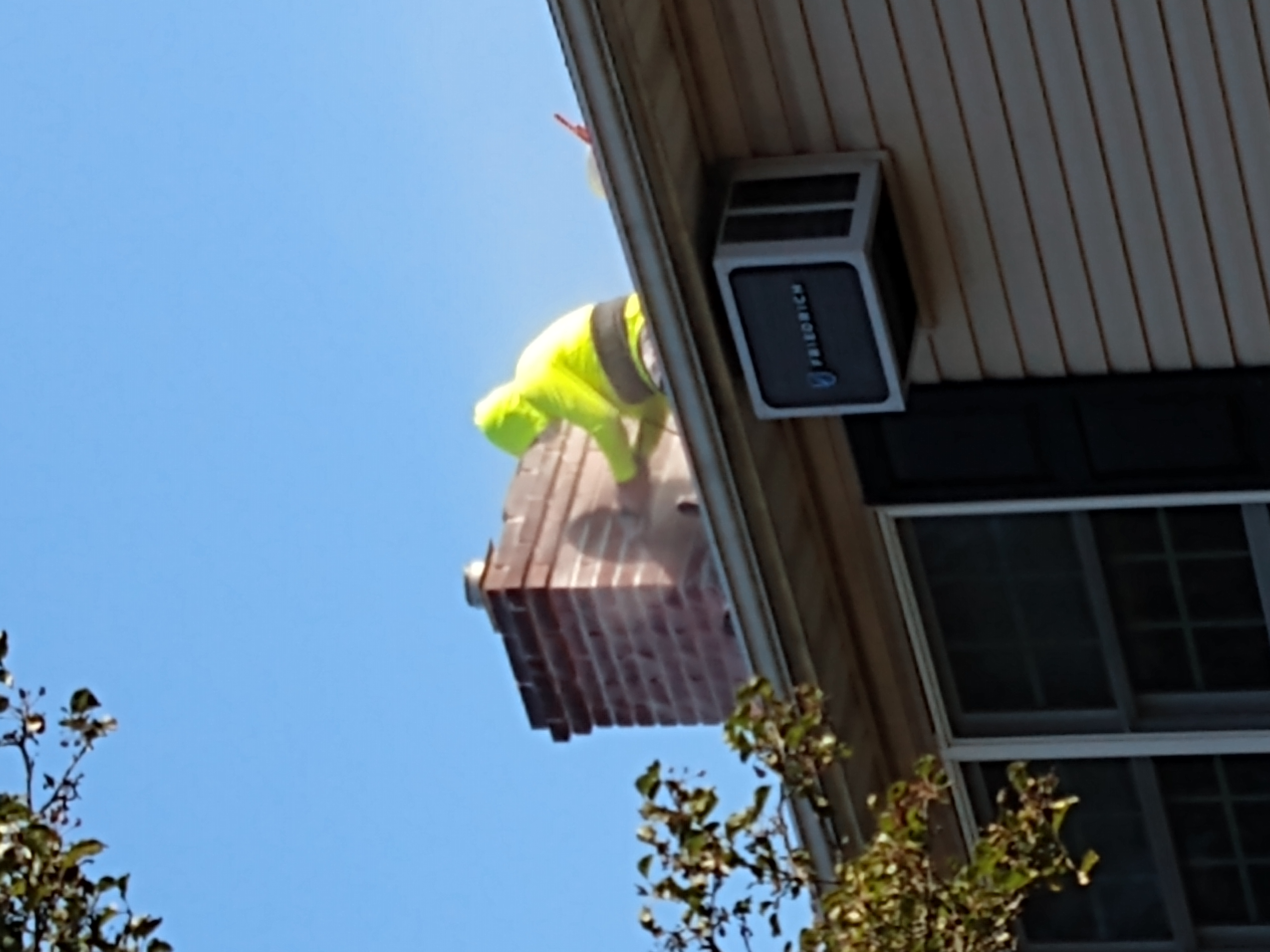
DME Maintenance has served Commack and Suffolk County, NY since 2001. We've repointed hundreds of chimneys throughout Long Island. We know how local weather patterns stress masonry. We understand the construction methods used in homes built during different decades. We use proper techniques learned through years of experience, not shortcuts that fail in five years. Our owner, Douglas Eberling, has built this company on the principle that careful, quality work matters more than quick completion. We show up prepared with proper scaffolding, mortar formulated for your specific chimney, and tools that let us work precisely. Residents of Commack deserve that level of attention. Your home is your largest investment. Its chimney protects everything inside.
Spring is arriving now. Summer will follow soon after. This is the window when pointing work should be scheduled. Waiting until fall means working in cool, wet conditions when mortar won't cure properly. Waiting until winter guarantees failure. Call DME Maintenance at 631-316-0622 today. Describe what you're seeing on your chimney. We'll schedule an inspection and give you honest assessment. If pointing is needed, we'll plan the work for ideal weather conditions. If your chimney is sound, we'll tell you that too. Either way, you'll have clarity and a plan. Don't let another freeze-thaw cycle pass without addressing visible mortar damage. Contact us at 631-316-0622 before your next major repair bill arrives.