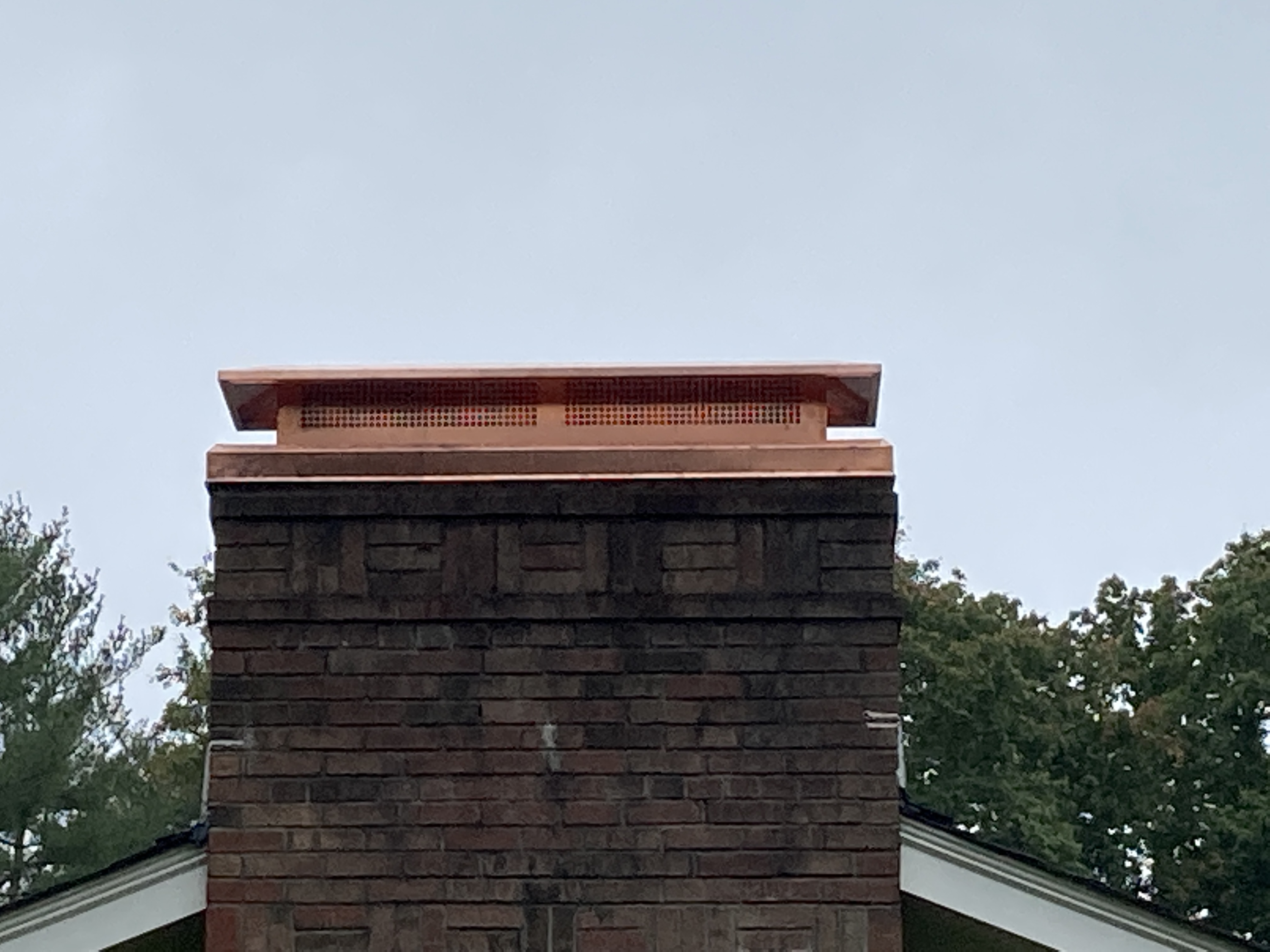
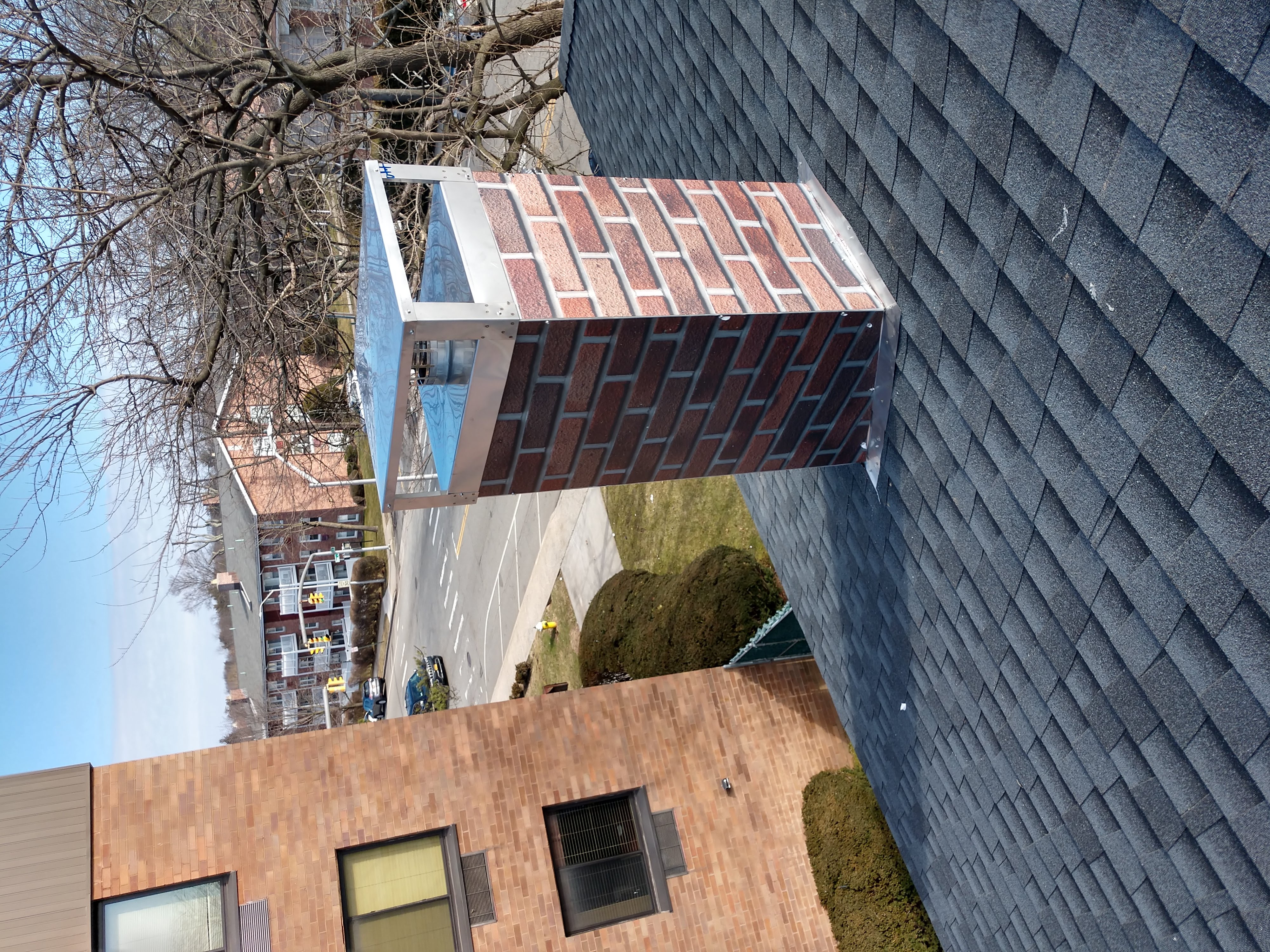
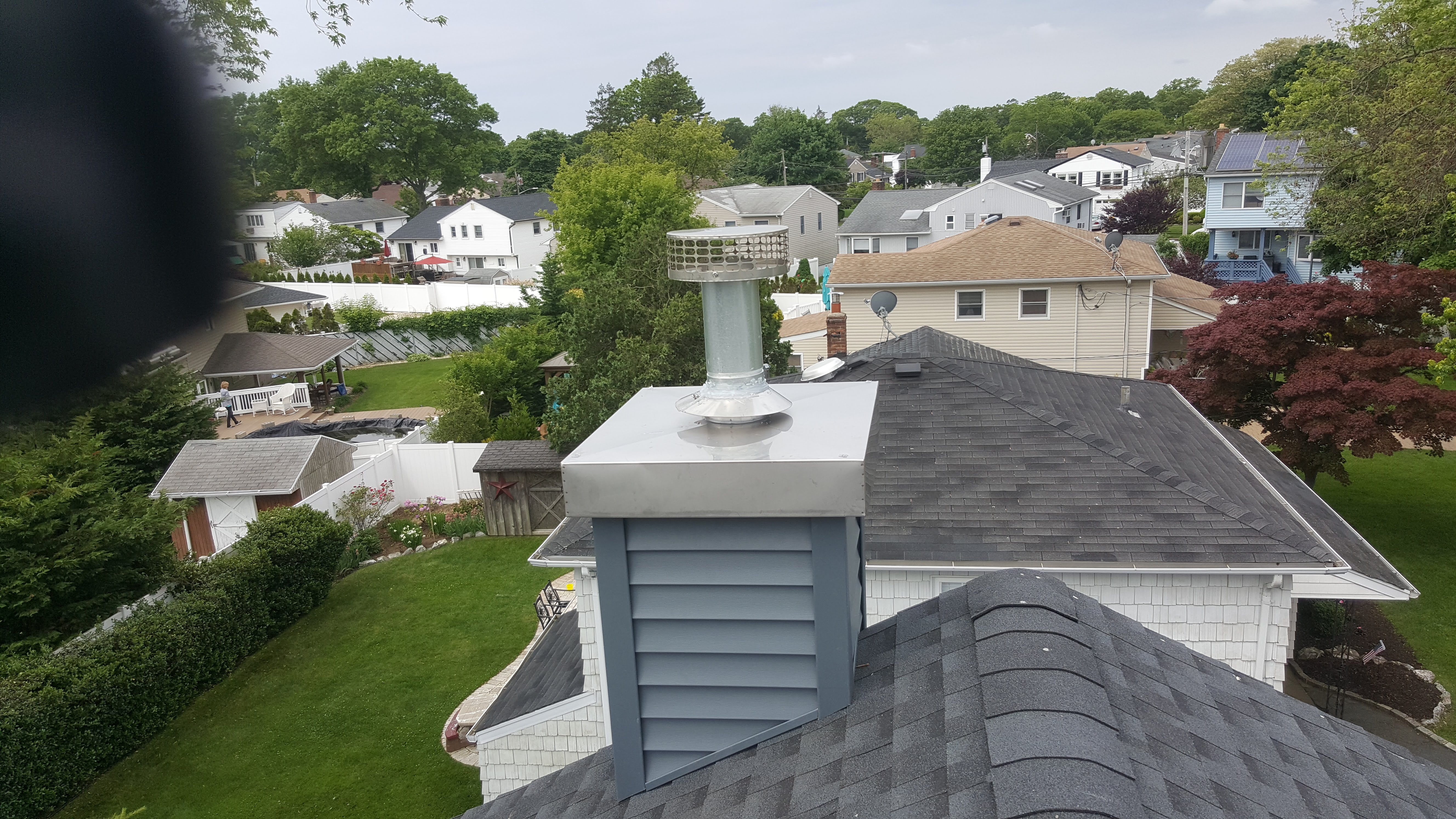
If you own a home in Commack, you've likely noticed how quickly weather patterns here can turn harsh. Spring rains arrive heavy and frequent, followed by winter cold that freezes and thaws your masonry repeatedly. Your chimney crown sits directly in the path of this exposure. This concrete or mortar cap covers the entire top of your chimney structure, sloping outward to shed water away from the flue opening and toward the edges. When it fails, water doesn't just sit there—it seeps into your chimney system and starts causing damage that spreads downward through brick, mortar, and internal components. Understanding what your chimney crown does and recognizing early warning signs can save you thousands in repairs down the road.
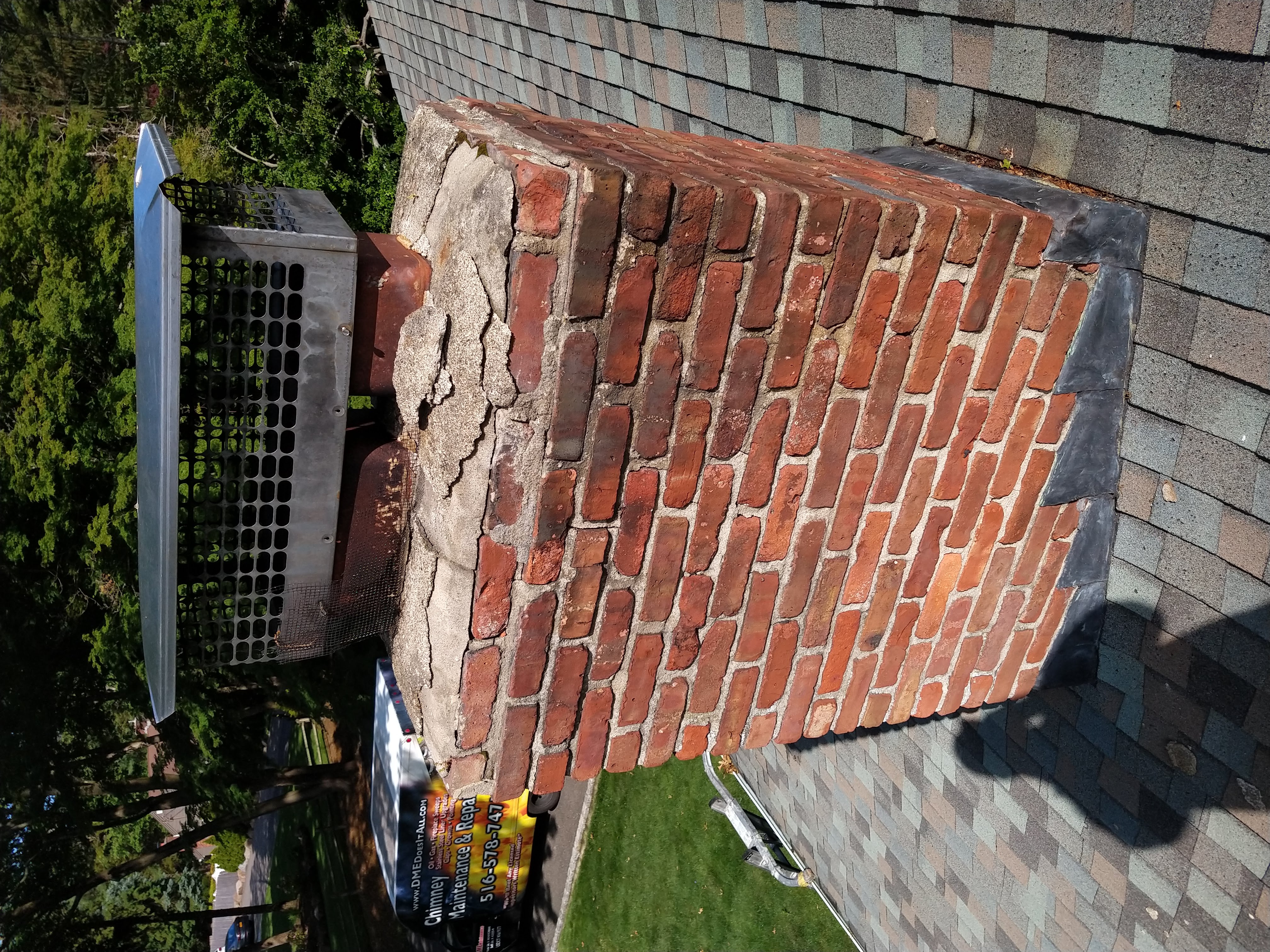
Commack homes built in the 1970s and 1980s commonly have original or aging chimney crowns that have never been inspected or repaired. These older crowns were often built with insufficient slope or inadequate mortar composition. Over decades of Suffolk County, NY weather cycles, cracks develop. Small fractures that seem minor during a dry summer become serious entry points when autumn rains begin. Water finds its way into these cracks and expands when temperatures drop below freezing. This freeze-thaw cycle forces cracks wider each winter. Homeowners in nearby Commack neighborhoods and surrounding areas like Greenlawn and Kings Park notice the same pattern: a crown that lasted forty years suddenly starts failing faster. The damage accelerates once it begins, which is why addressing cracks before the rainy season is so important.
The most visible sign of crown failure is actual cracking across the surface. You might see a single crack running across the cap, or a spiderweb pattern of multiple fractures. Some cracks are wide enough to see from ground level with binoculars. Others require a professional inspection from above to spot. Beyond visible damage, watch for water stains appearing on interior ceiling drywall near your fireplace. Discoloration that spreads after heavy rain suggests water is entering through crown damage. White mineral staining—white powdery deposits on exterior chimney brick—also indicates moisture penetration. If you've noticed any of these signs around your Commack home, your chimney crown likely needs attention before winter weather arrives and causes additional damage.
The seasonal context here in Commack and throughout Suffolk County, NY makes pre-winter crown repair necessary. We experience unpredictable weather from October through March. Nor'easters can dump several inches of rain in a single day. Temperatures fluctuate between freezing and thawing, sometimes multiple times in one week. Oil-heated homes, which remain common across Long Island, rely on chimneys to exhaust combustion byproducts. A damaged crown allows rainwater to enter the chimney system and drip onto your flue tile and internal damper mechanism. This accelerates deterioration of these critical components. The closer you get to winter without addressing crown damage, the more extensive your eventual repair work becomes. What starts as a crown restoration problem becomes a full flue relining project when water damage progresses unchecked.
A compromised crown doesn't just affect the chimney itself. Water entering your system can damage the damper, rust the firebox walls, and deteriorate the flue tile from the inside. Moisture migrating into the masonry itself causes white mineral staining, spalling brick, and mortar joint deterioration. Over time, structural issues develop. The support system holding your chimney in place weakens. In homes throughout Commack, we've found that delaying crown repair leads to problems that cascade into the rest of the chimney structure. What could have been solved with a professional crown repair in fall becomes a multi-thousand-dollar restoration project by spring. Homeowners who wait until water damage becomes obvious often discover the problem has already spread much further than expected.
Crown repair requires professional assessment and skilled execution. A thorough inspection determines whether your crown can be patched or needs complete rebuilding. Minor cracks in otherwise sound crowns can sometimes be filled with specialized repair materials. More extensive damage requires removing the old crown entirely and building a new one with proper slope and composition. The new crown must be sloped correctly so water runs toward the edges rather than collecting near the flue opening. Material selection matters significantly. A poorly constructed replacement crown will fail again within a few years. This is why Commack homeowners benefit from working with experienced professionals who understand local weather challenges and proper construction methods for our region.
Commack residents living near the Sound or in neighborhoods with mature trees face additional crown challenges. Leaves and debris accumulate on flat or poorly sloped crowns, holding moisture against the masonry. Proximity to the Sound means crowns deteriorate faster than inland. Wind-driven rain, which is common across Suffolk County, impacts crowns more severely than gentle rainfall. Homes in Commack that sit on higher elevation catch more weather exposure. These location-specific factors mean your chimney crown is working harder than crowns in more protected areas. Taking action before the rainy season starts means you don't have to worry about your first line of defense failing before months of heavy weather arrive.
Homeowners throughout Commack have trusted DME Maintenance for chimney cleaning, liner installation, and masonry repairs since 2001. We are a local, Long Island-based, owner-operated company — not a franchise — so when you call, you reach someone who actually knows Commack and the surrounding communities.
If you're a homeowner in Commack and haven't had your chimney crown inspected recently, now is the ideal time to schedule a professional evaluation. The weeks before autumn rains and winter cold set in offer a brief window to address problems while weather remains relatively mild. Waiting until December or January means you're working under time pressure and dealing with difficult weather conditions during the repair process. Spring might seem like good timing, but by then your crown may have already suffered additional damage from winter weather. Getting ahead of the season by having a chimney professional inspect and repair your crown before October or November keeps your home protected and avoids the stress of emergency repairs.
Reach out to DME Maintenance by calling 631-316-0622 to schedule your Commack chimney crown inspection today. We've served Commack and the surrounding Suffolk County, NY area since 2001, and we've helped countless homeowners protect their chimneys from water damage. DME Maintenance can evaluate your crown's condition and recommend whether repair, rebuilding, or monitoring is appropriate for your situation. Don't wait until you see water stains on your ceiling or notice cracks during a rainy day. Contact us now to protect your chimney system before the weather turns worse.